
Design Shapes Memory — And Memory Brings Repeat Customers
Rutuja Alshi
26th January 2026
In most service businesses, success is measured by numbers.
Footfall. Bookings. Revenue.
In hospitality, there’s another metric that matters just as much — memory.
Because people don’t return only because something was good. They return because something stayed with them.
And more often than not, design is what anchors that memory.
1. People Remember Feelings, Not Features
Guests rarely remember every detail of a place.
They don’t recall the exact chair, the precise colour code, or the layout. What they remember is how the space made them feel.
Comforted.
Calm.
Energised.
At ease.
Design quietly shapes these emotions — through light, spacing, materials, colour, and flow.
Good design doesn’t demand attention. It creates a mood people want to return to.
2. Small Details Create Stronger Recall
Often, it’s the smallest things that linger.
A handwritten note.
A particular texture.
A subtle visual cue repeated across the space.
These details don’t shout for attention — but they register.
When design is intentional, it creates moments of familiarity. And familiarity builds comfort. Comfort builds loyalty.
People may not consciously notice these details. But they feel their absence when they’re gone.
3. Consistency Is What Turns Experience Into Memory
Memory is strengthened through repetition.
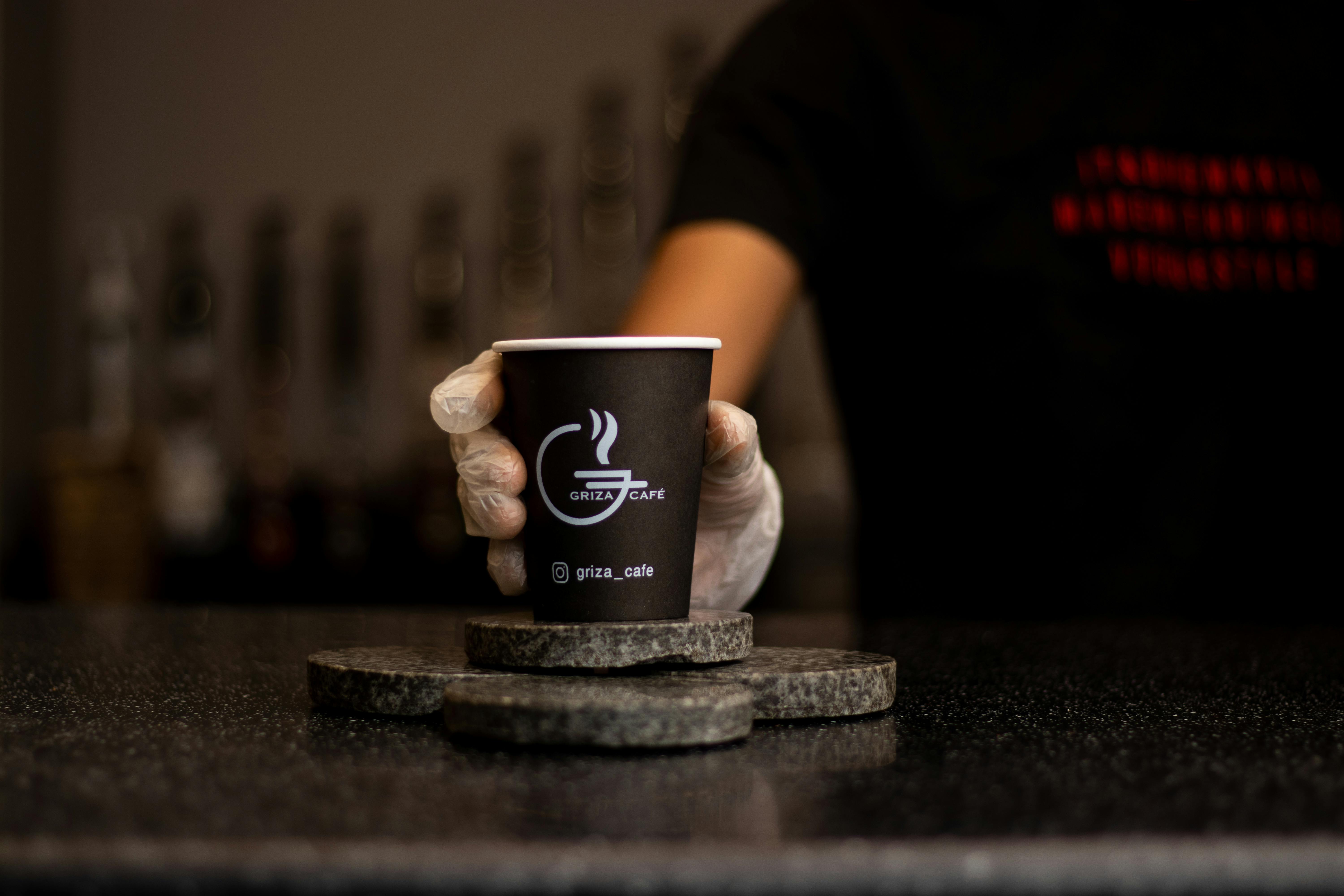
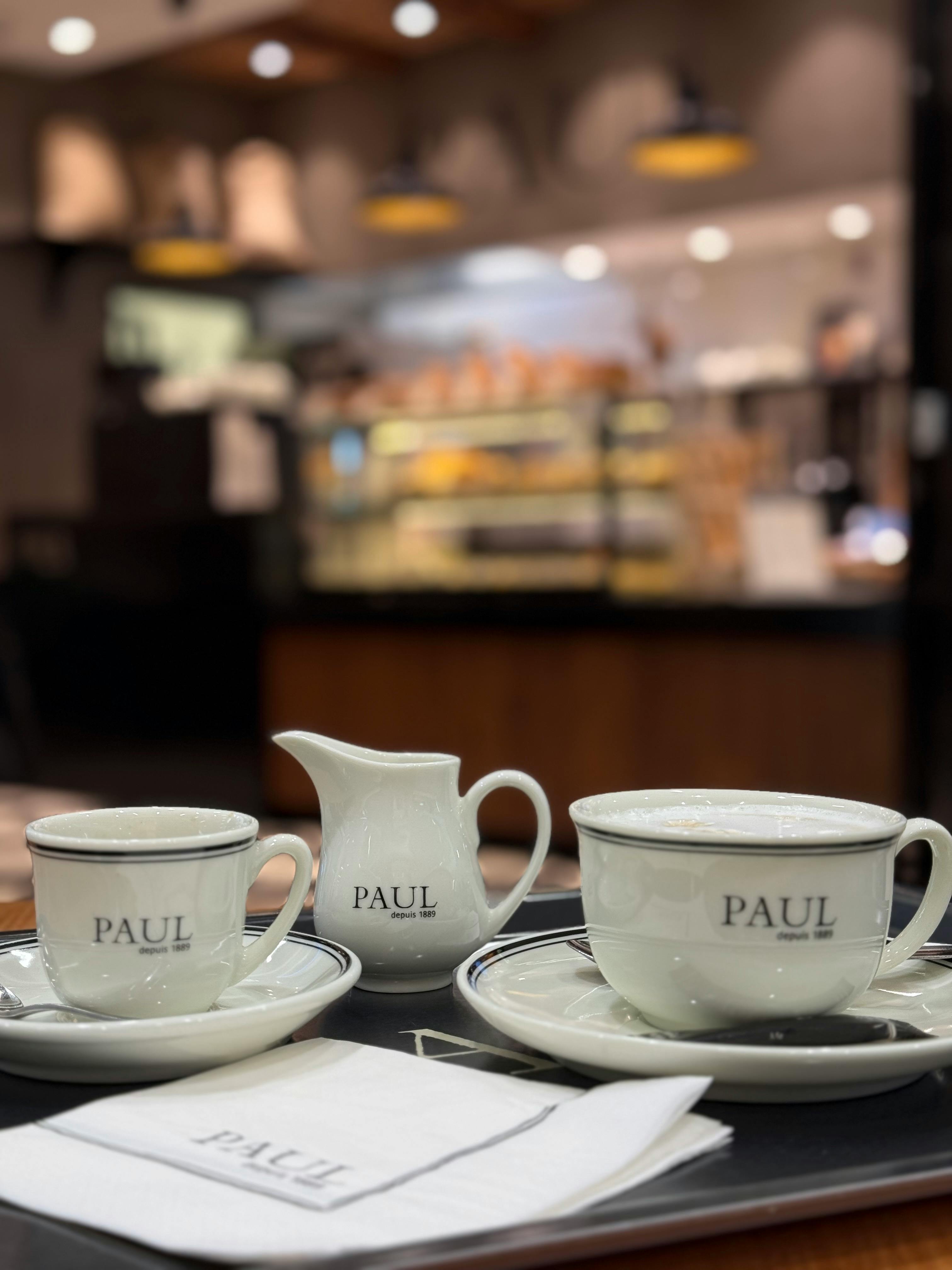
When a brand feels consistent — across physical space, digital presence, and service — the experience becomes easier to remember.
Nothing feels confusing. Nothing feels out of place.
This consistency helps guests form a clear mental picture of your brand. And when they think of returning, they don’t have to re-evaluate — the feeling is already familiar.
That’s where repeat business comes from.
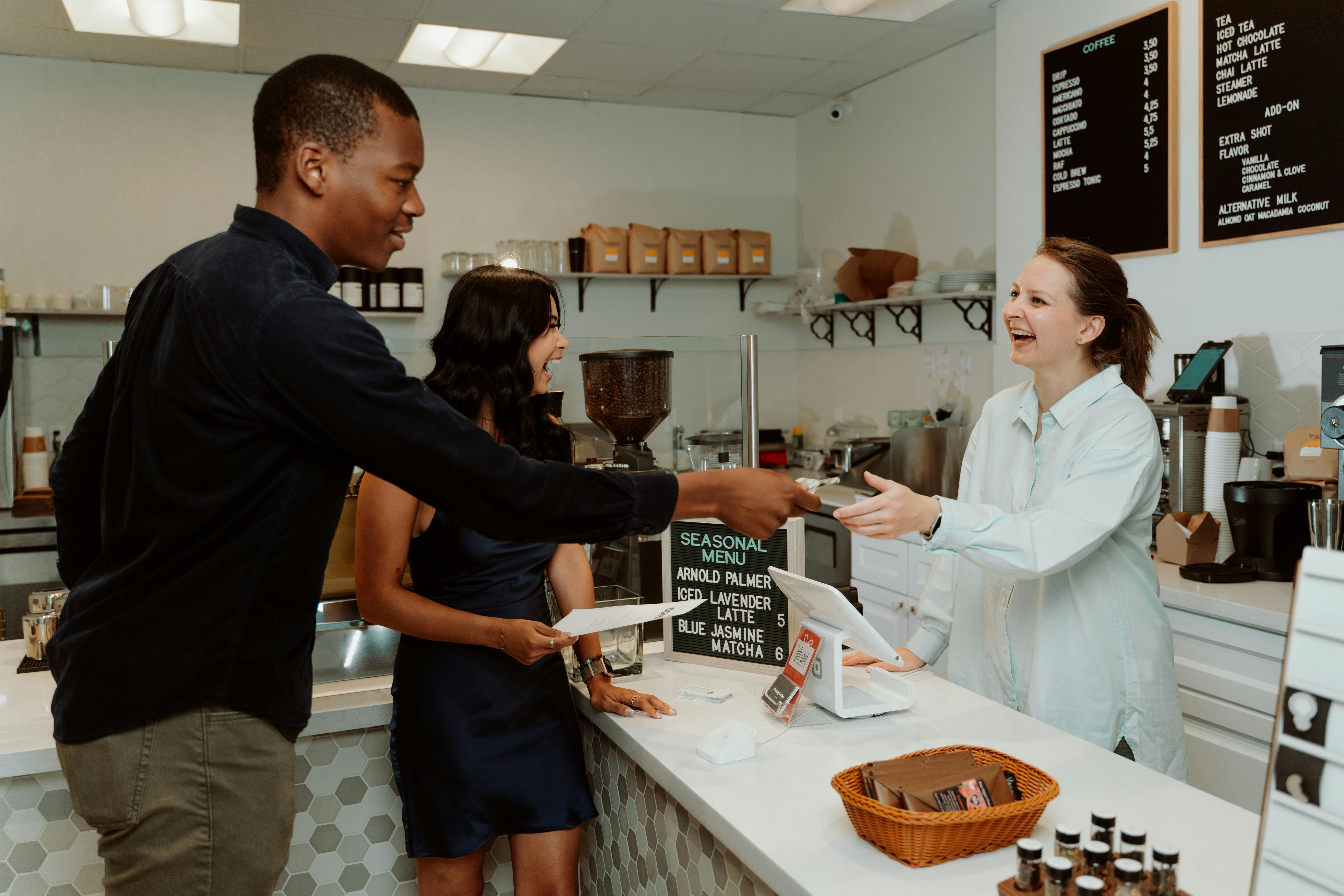
4. Why Design-Driven Memory Reduces Price Sensitivity
When people remember how a place made them feel, they stop comparing.
They don’t ask: “Is this the cheapest option?”
They ask: “Do I want to go back there?”
Design-led memory shifts the decision from logic to emotion. And emotional decisions are faster, more confident, and less price-driven.
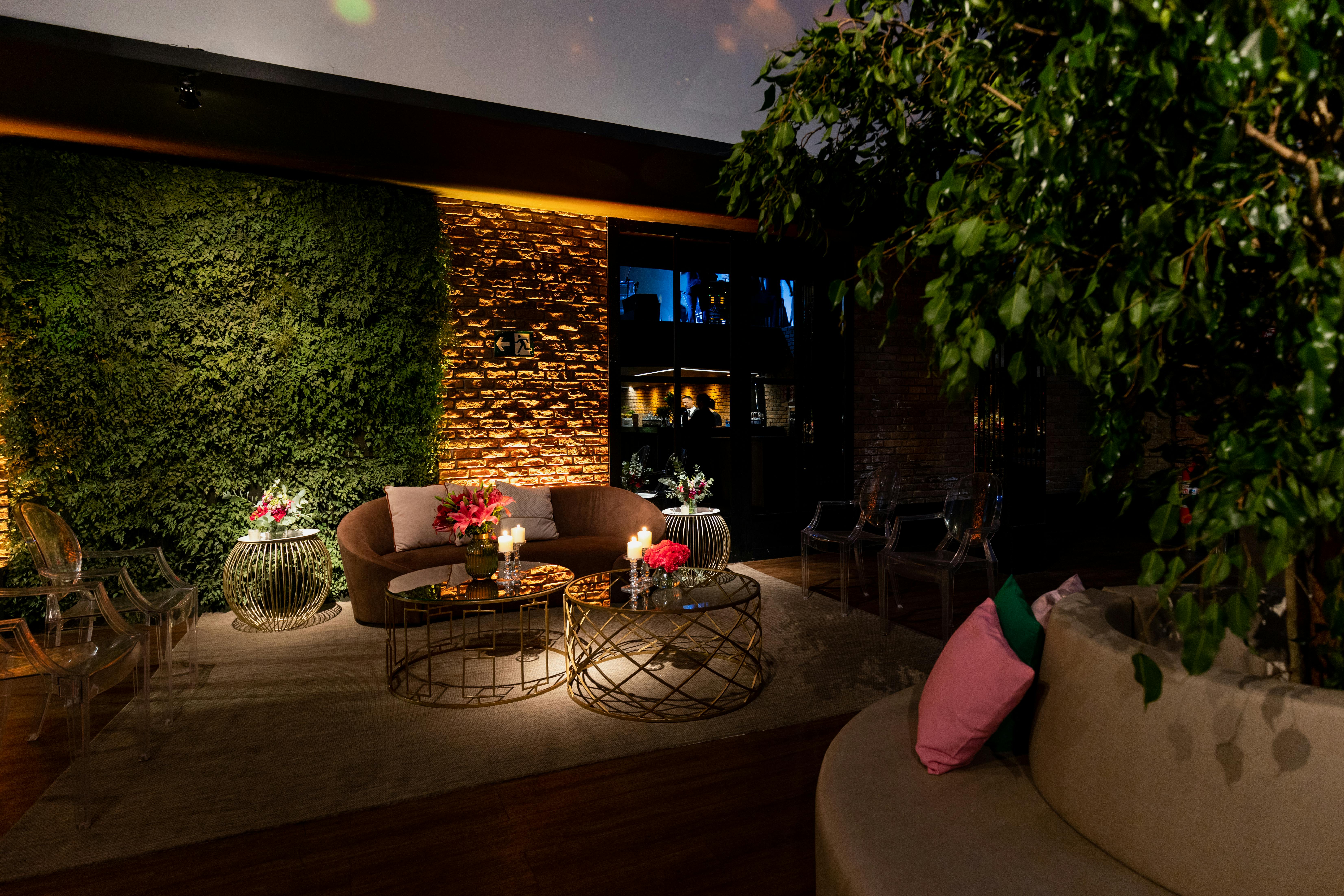
Hospitality brands don’t grow only through reach.
They grow through return.
It’s about creating a feeling strong enough to be remembered.
Because when people remember you clearly, choosing you again becomes effortless.