
Branding for Hospitality: How Design Influences Trust, Pricing & Repeat Customers
Rutuja Alshi
22nd January 2026
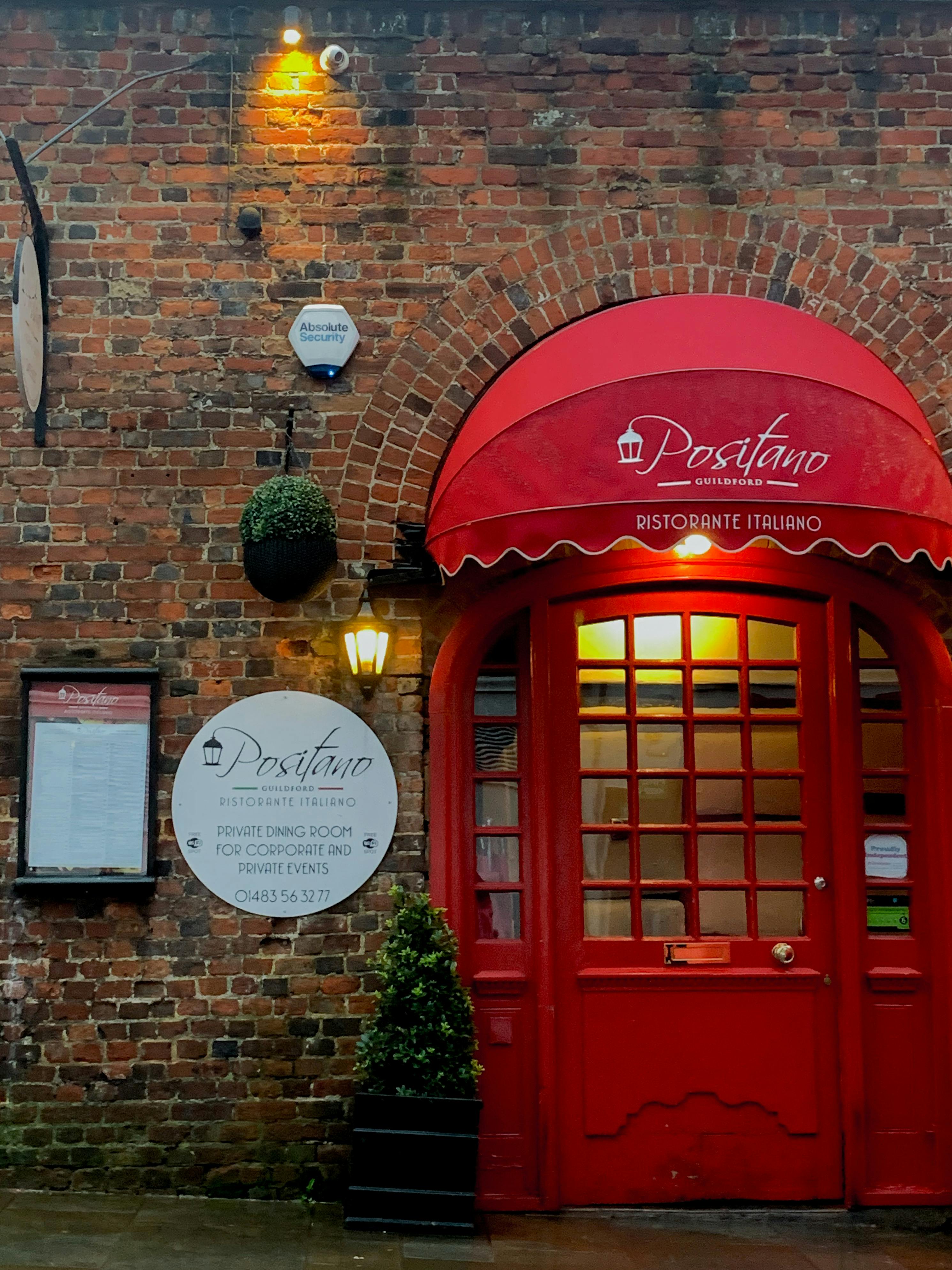
Hospitality is one of the few industries where people decide how they feel about you before they experience you.
Before the room is seen.
Before the food is tasted.
Before a single word is spoken.
That decision is shaped almost entirely by branding.
Over the years, working with cafés, wellness spaces and service-led brands, one thing has become very clear to me - in hospitality, branding isn’t about looking good — it’s about being trusted, remembered, and chosen again.
1. Trust Is Built Long Before the Experience Begins
Most guests interact with your brand long before they step inside your space
It starts with:
Your website
Your Google listing
Your Instagram feed
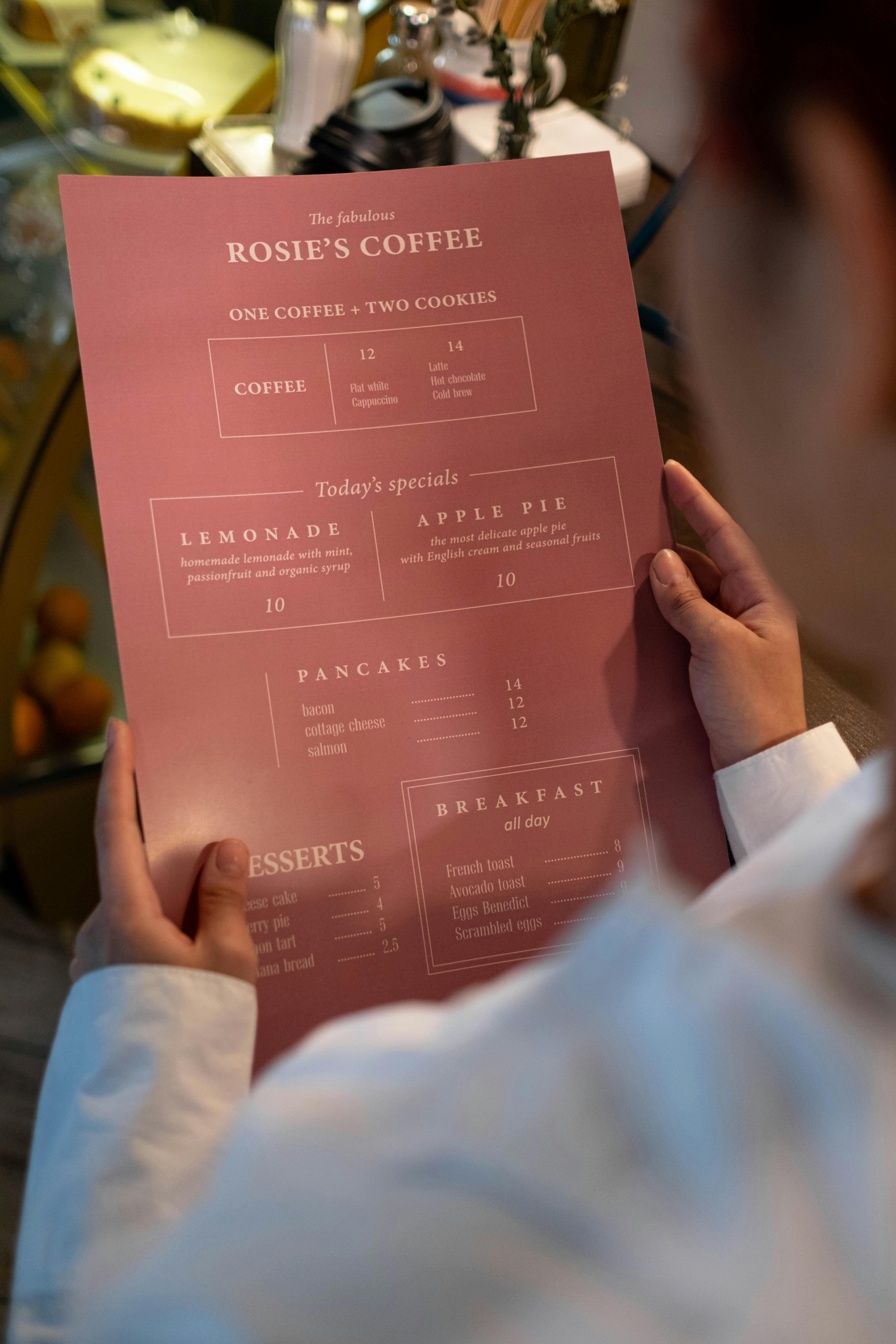
Your entrance, signage, or menu
Within seconds, people subconsciously ask:
Does this feel reliable?
Is this worth my money?
Do I belong here?
Good branding answers these questions quietly — without explaining, convincing, or selling.
When branding feels inconsistent or unclear, hesitation creeps in. And hesitation, in hospitality, often means lost bookings.
People don’t usually reject a place because it looks bad.
They reject it because it feels unsure of itself.
2. Pricing Feels Easier When Branding Does the Talking
One of the most common struggles hospitality founders face is pricing.
Why does one café comfortably charge more, while another feels forced to justify every rupee?
The difference is rarely just quality. It’s perception.
Strong branding creates a sense of value before the price is even noticed.
It sets expectations around experience, detail, and intent.
When branding is done thoughtfully:
Prices feel natural
Discounts don’t feel necessary
Guests don’t ask “why is this so expensive?”
Good branding doesn’t make you expensive.
It makes your pricing feel honest.
3. Hospitality Branding Is Not a Logo Problem
A common misconception I see is treating branding as a one-time task — usually a logo or a colour palette.
But hospitality branding is experienced, not viewed.
It lives across:
Websites and booking journeys
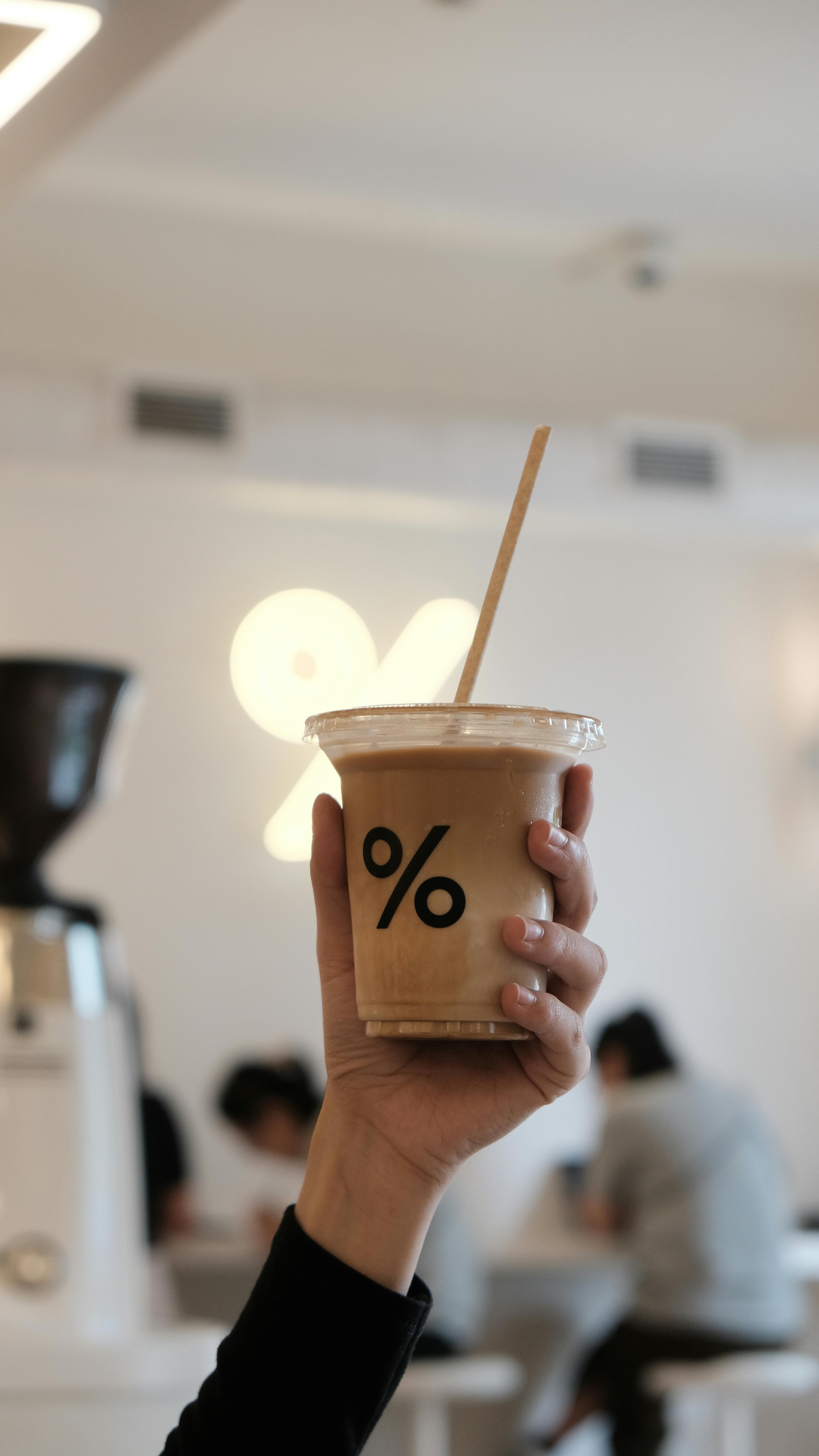
Menus, signage, packaging
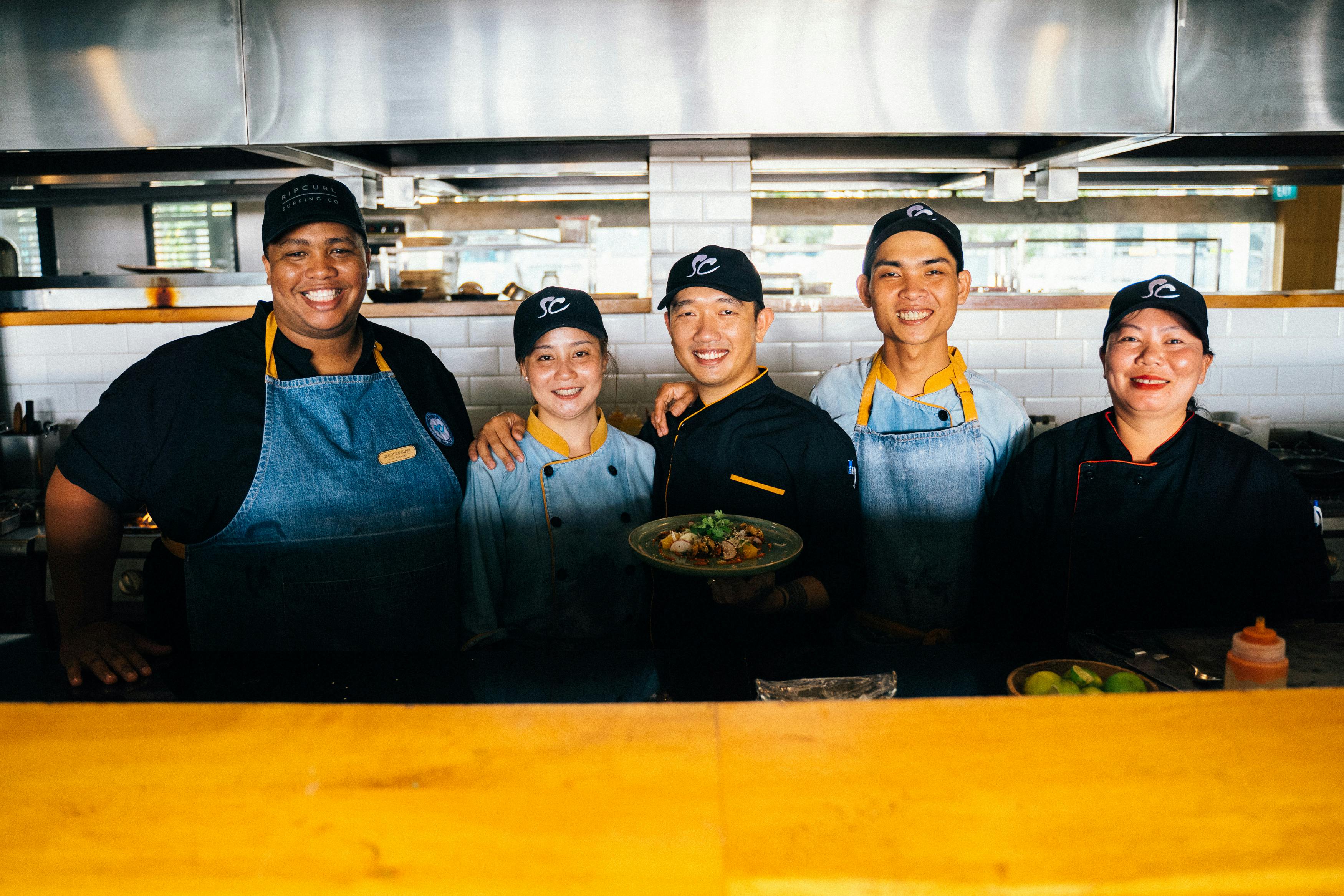
Staff uniforms and tone of voice
Social media and physical spaces
When these touchpoints don’t speak the same language, the experience feels fragmented — even if each piece looks good on its own.
Strong hospitality brands feel familiar because everything connects. Nothing feels accidental.
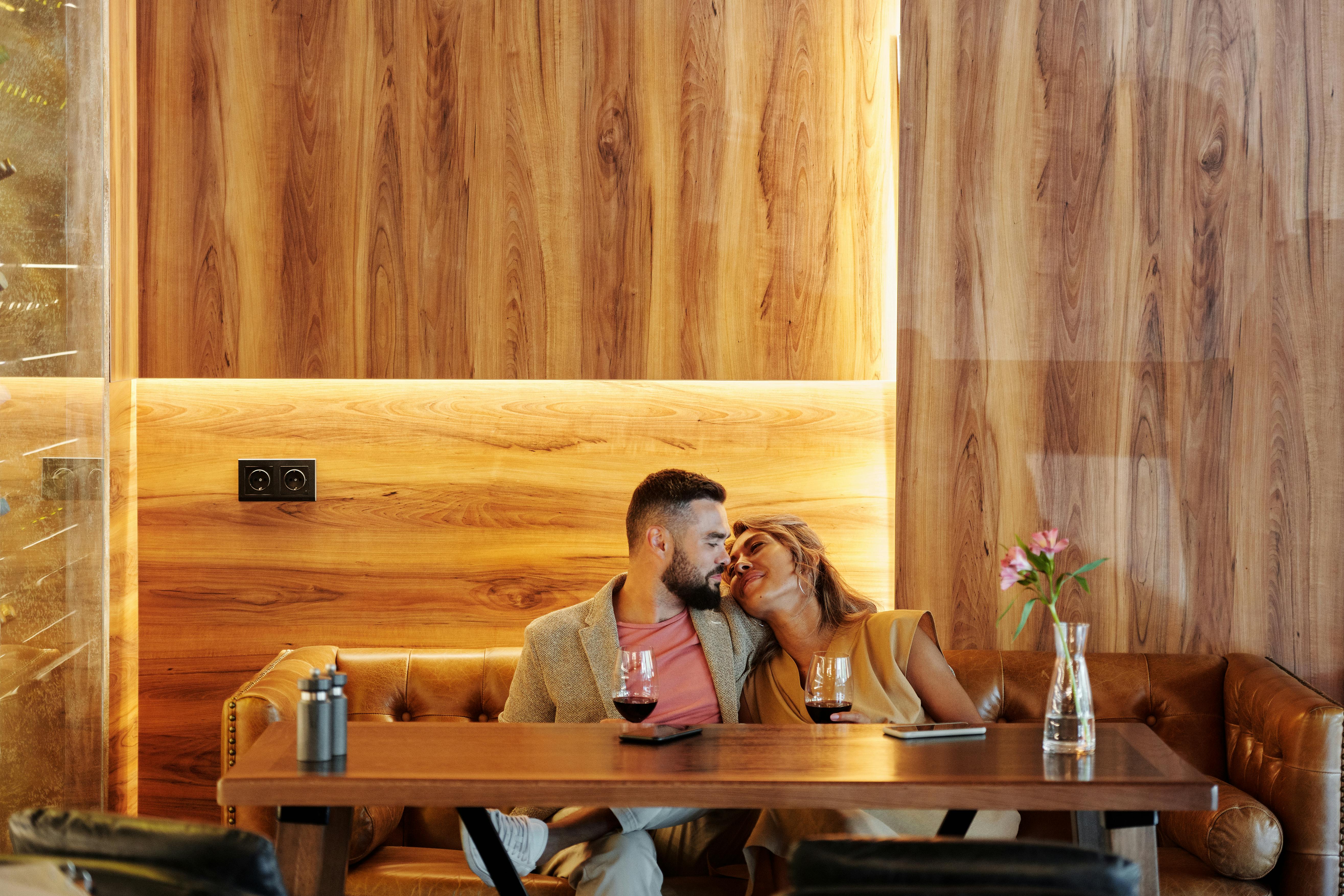
4. Design Shapes Memory — And Memory Brings People Back
Repeat customers don’t return only because of good service.
They return because something stayed with them.
It could be:
A detail they remember
A mood they felt
A sense of comfort or belonging
Thoughtful branding helps anchor these memories visually and emotionally.
When guests remember how a place felt, they don’t compare prices next time. They come back.
In hospitality, memory is one of the strongest drivers of loyalty — and branding plays a quiet but powerful role in shaping it.
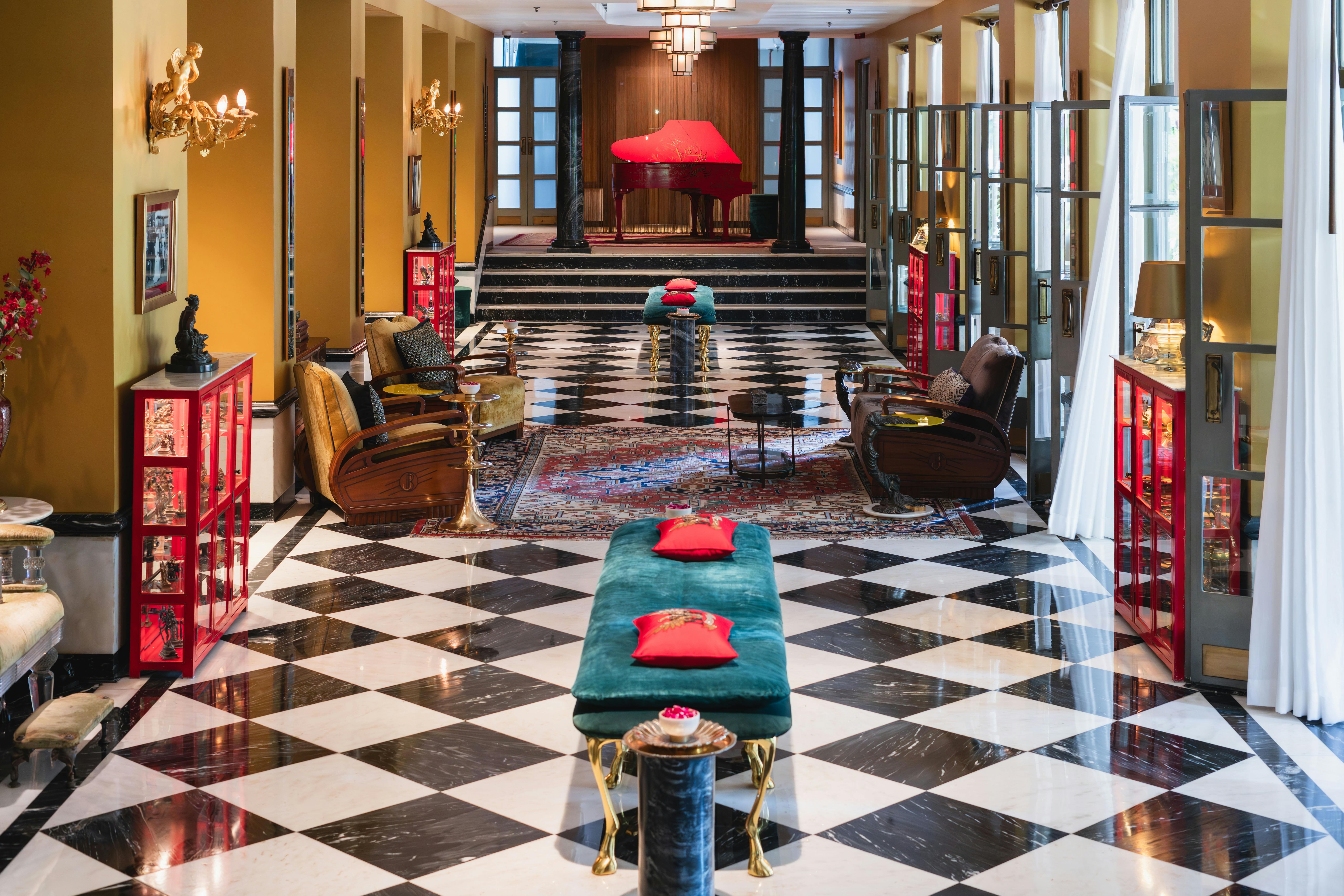
In hospitality, branding isn’t decoration. It’s not an add-on. And it’s definitely not just visual.
It’s the silent host that welcomes guests before your team does. It’s what builds trust, justifies pricing, and stays in people’s minds long after they leave.
When branding is intentional, guests don’t just visit once — they return, recommend, and remember. And that’s when branding is doing its real work.